 UK
UK EU
EU AU
AU UAE
UAE


Blog
Small-Batch, Digitally Printed Coffee Bags: Low MOQs Without Cutting Corners
// Guide · Custom Printing
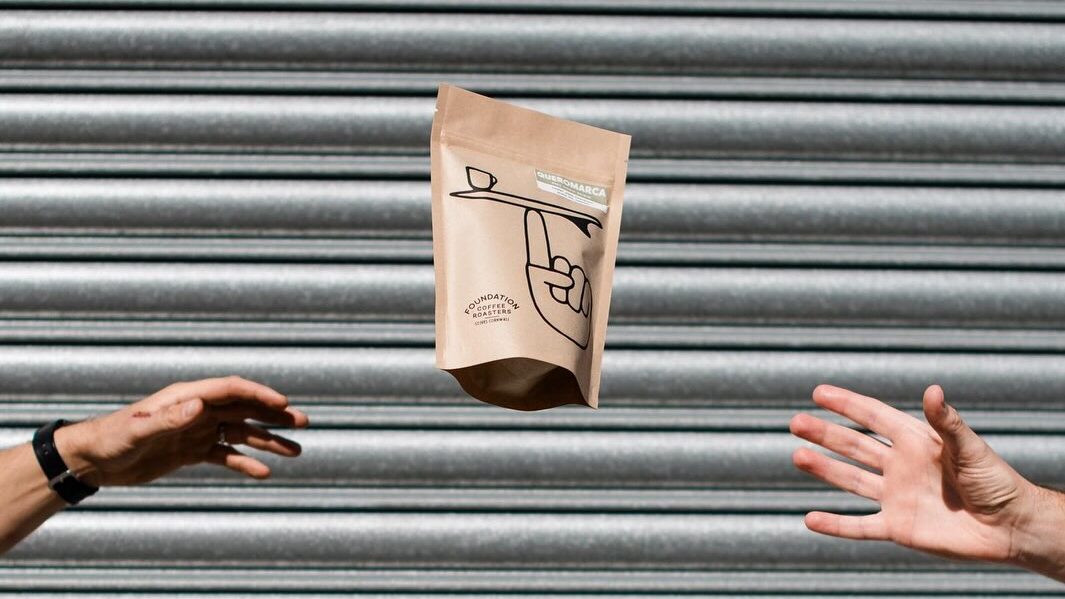
For a small coffee roaster, building a brand means sweating every detail — from sourcing to roast profile to the bag your customer picks up off the shelf. The problem is that professional custom packaging has traditionally demanded volumes far beyond what most independent roasters need: thousands of units, months of lead time and upfront tooling costs that make little sense at a small scale.
Short-run printing was built to change that. But it is worth understanding exactly what it is and what it is not, because it is a distinct printing method with its own strengths and honest limitations. This guide covers why the MOQ problem exists, how short-run printing solves it, and what “without cutting corners” really means for print finish, sustainable materials, freshness barrier and degassing valves.
// Why It Matters
Why high MOQs hold small roasters back
Specialty coffee keeps growing — the global market is forecast to reach USD 69.8 billion by 2032[1]. Yet for the roaster producing 50 to 500 kg a week, the packaging supply chain has barely noticed. The reason is how factory printing works.
Conventional methods — flexographic and rotogravure — need physical plates or engraved cylinders made before a single bag is printed: one per ink colour, paid for upfront however many bags you order. To make those fixed costs worthwhile, minimum order quantities for fully custom designs run into the thousands. Our own factory-printed ladder starts at 2,000 units and takes around 11–12 weeks door to door — the right route at scale, the wrong one for a roaster testing a new blend.
The consequences are practical and immediate. High MOQs tie up cash in packaging stock that can take months to move, make it hard to rotate single-origin lots or seasonal SKUs without a big commitment per design, and fill storage space most small roasteries simply don’t have[2].
// How Short Run Works
How short-run printing changes the maths
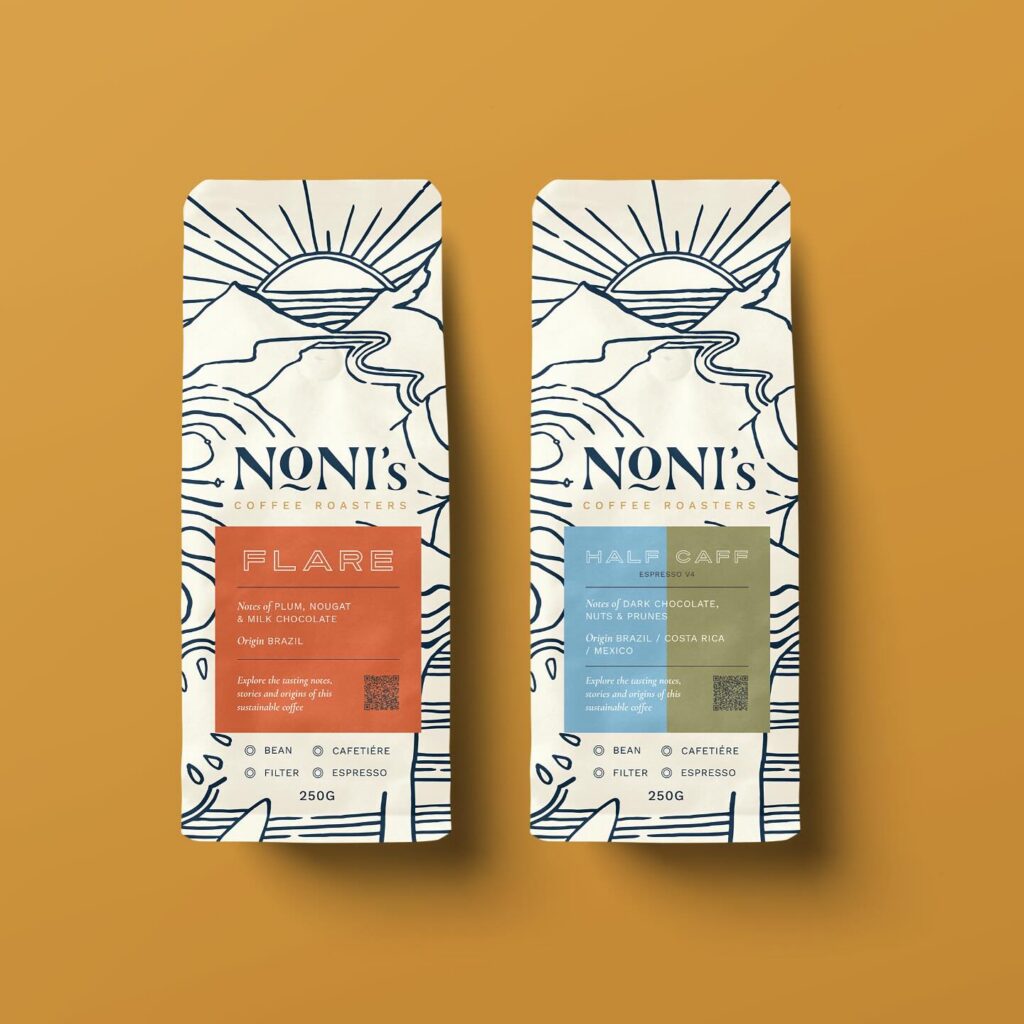
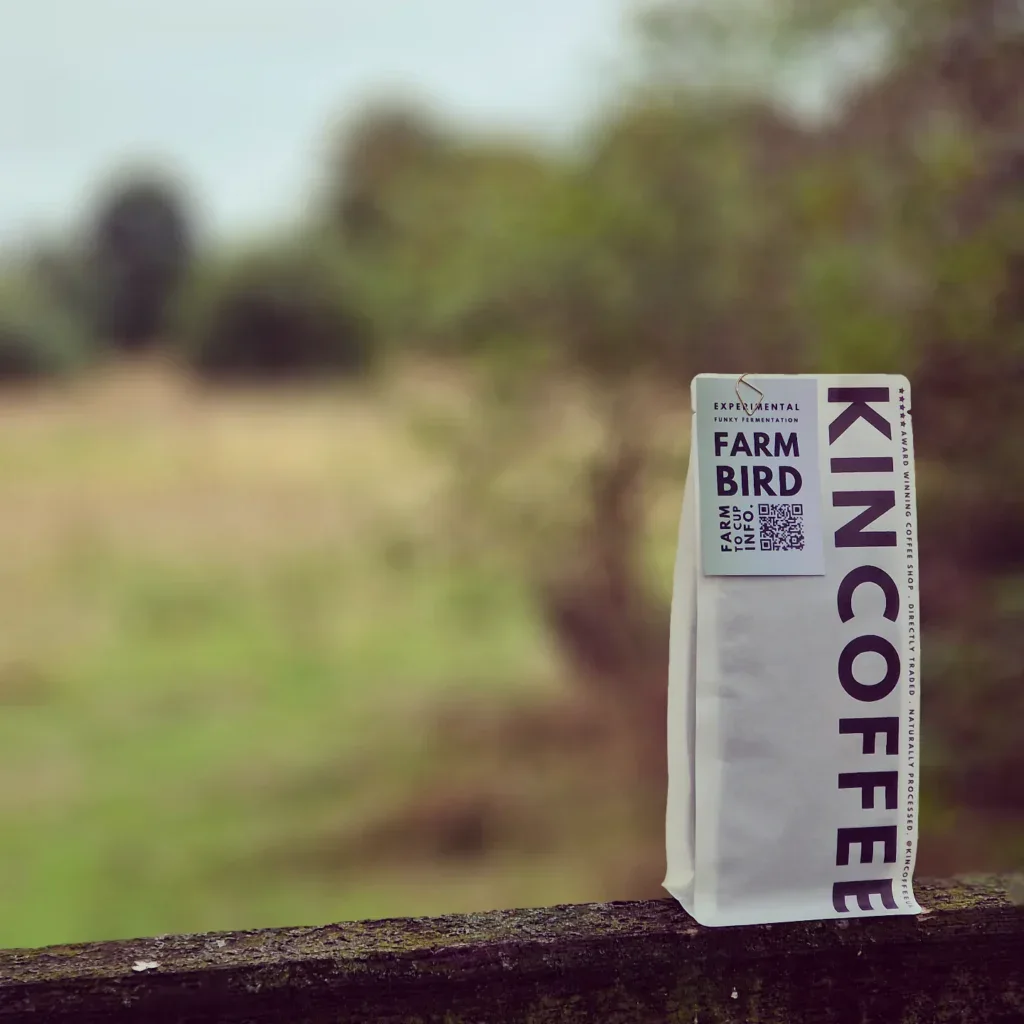
Short-run printing does away with plates entirely. We print your artwork in-house in the UK, digitally, straight onto finished bags from our stock range — which is what makes short-run printing fundamentally different in cost and speed.
MOQs drop to 500 units. With no plate cost to spread across the run, you order what you need for the next few months, not the next few years.
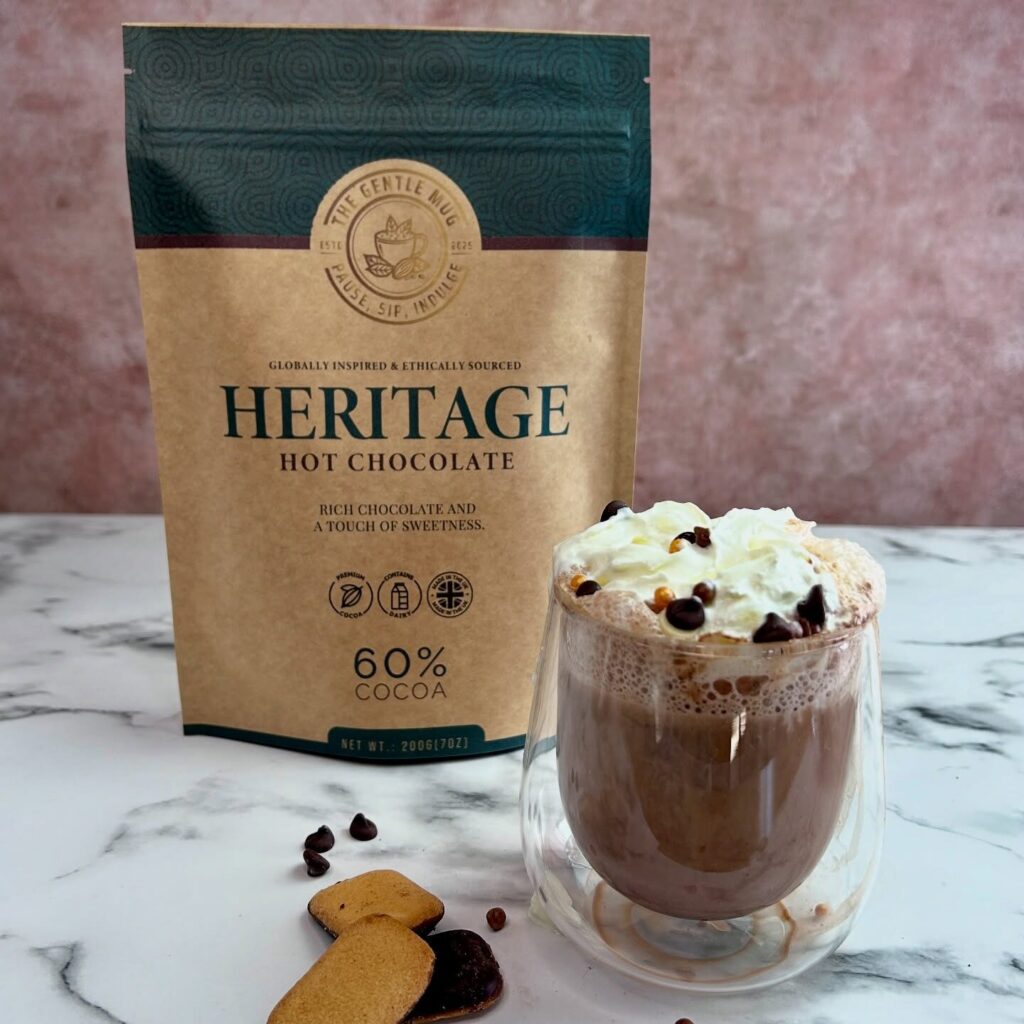
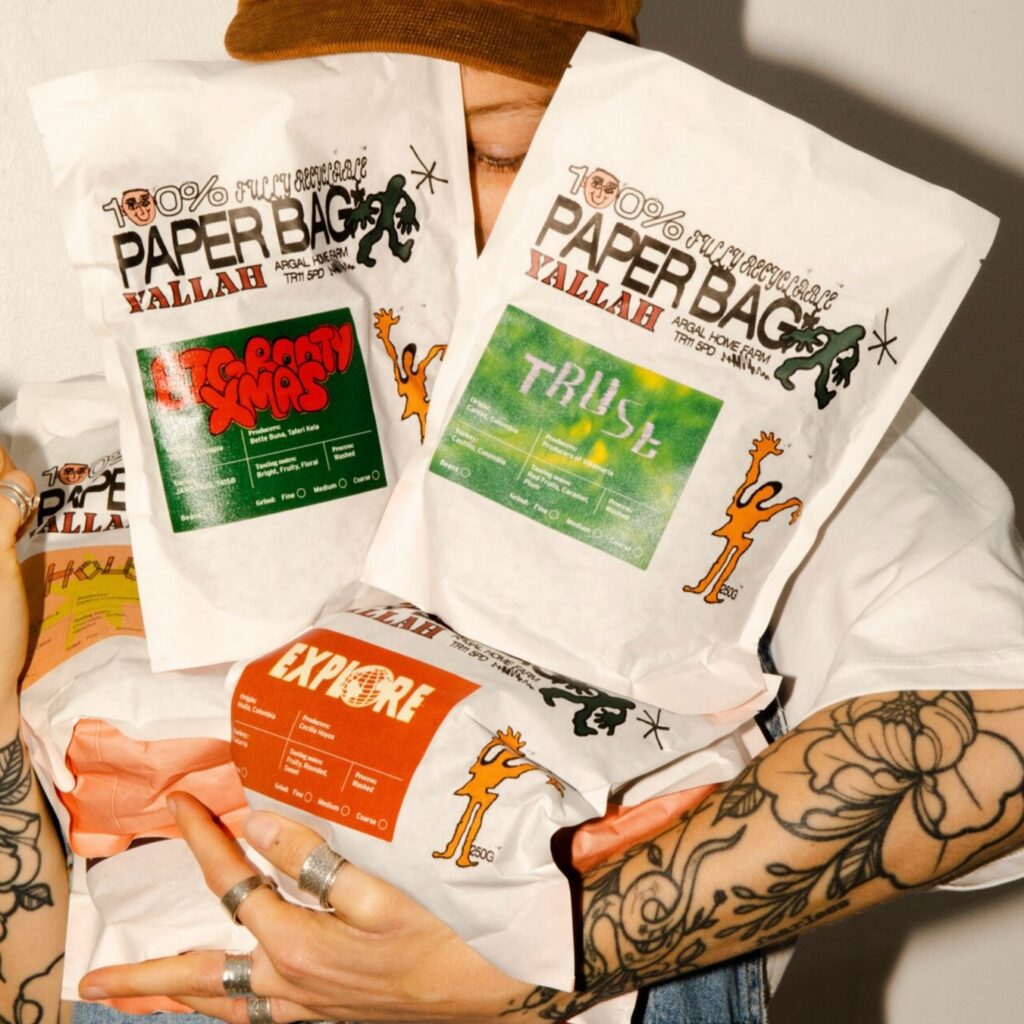
Design flexibility becomes practical. A limited-edition seasonal roast, new branding tested on a single SKU, different bags for wholesale and direct-to-consumer — you can print several artworks in the same order.
Turnaround shrinks to about a week. The bags are already in our UK warehouse and are printed here, so there’s no factory run and no sea or air freight. You can respond to demand instead of predicting it.
// Print Finish
Without cutting corners: a professional finish at any quantity
Low MOQs are only worth having if the bags perform. Packaging appearance shapes expectations before a word is read, and packaging quality directly influences what customers think a coffee is worth[3] — which matters when you’re asking them to pay a specialty price.
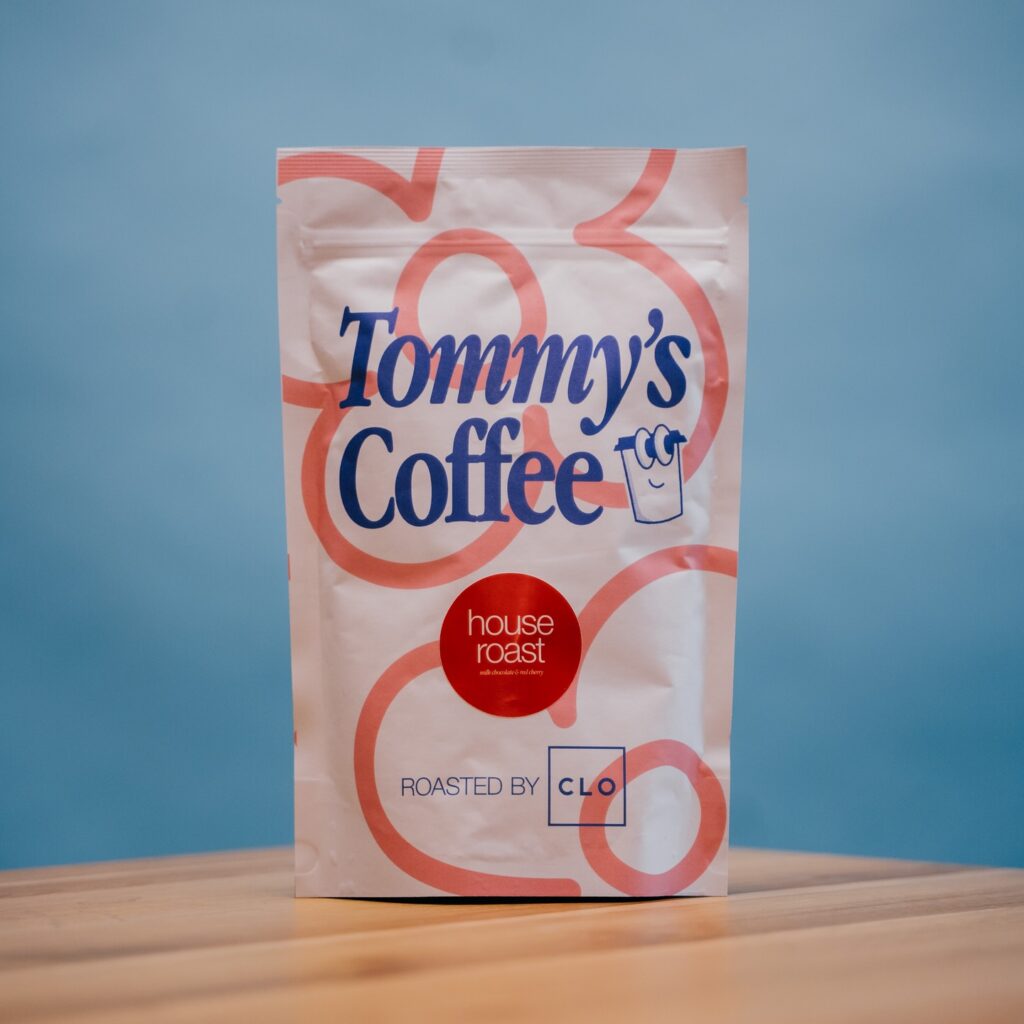
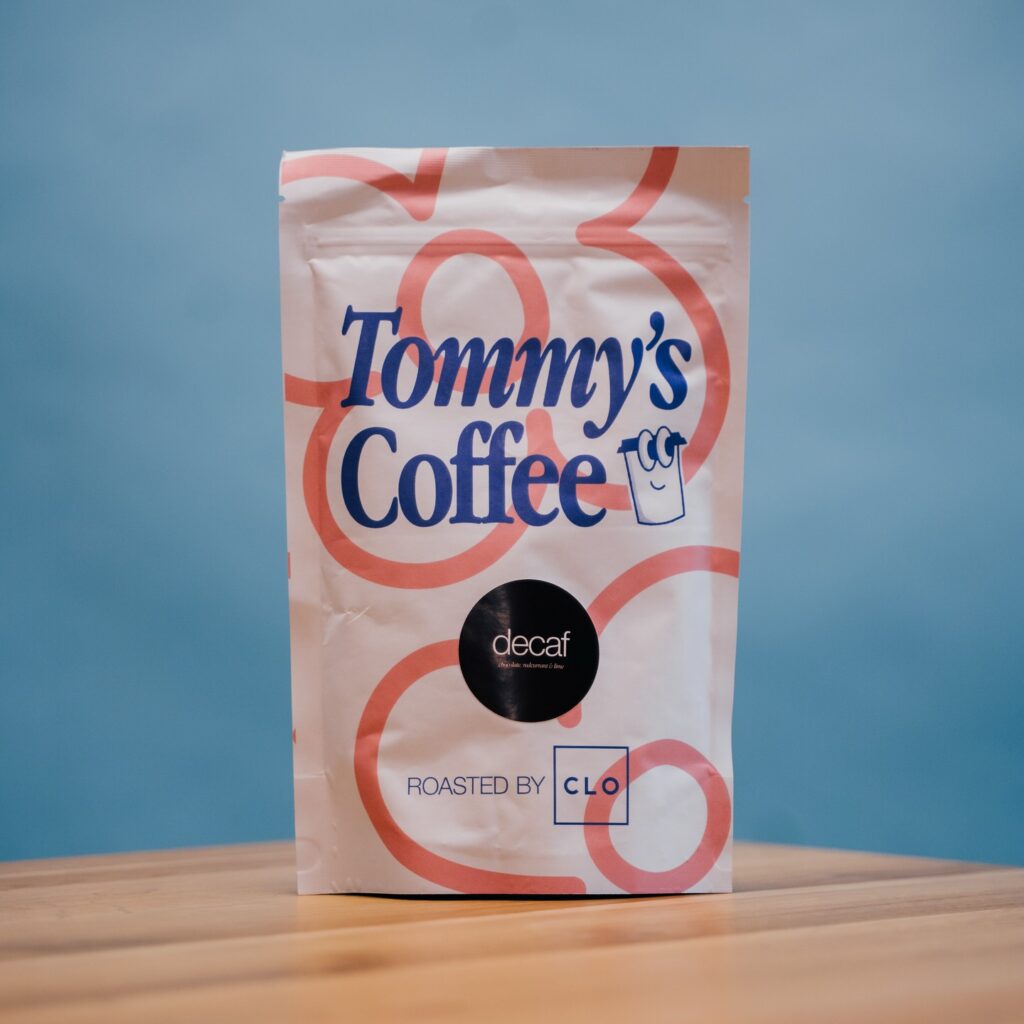
Short-run printing gives a clean, professional finish for artwork designed for the medium. Bold logos, type and simple brand marks reproduce well, and the kraft texture showing through is part of the look. Know the limits before you design:
- Front and back panels only — gussets stay unprinted, with a plain margin around the print area.
- Kraft absorbs ink, so colours can come out slightly different from what you see on screen.
- No full-colour backgrounds, photographic imagery or exact colour matching.
If your artwork needs edge-to-edge colour, photography or exact brand colours, digital printing (from 2,000 units) is the natural step up. The goal is to match the print method to the artwork, not force one onto the other.
// Materials
Three bags you can print from 500 units
Short-run printing is available on three kraft-faced bags from our stock range. None of them needs a large order — the right choice depends on what matters to your customers and how your coffee reaches them. Compare every material on our materials page.
Kraft · foil-lined
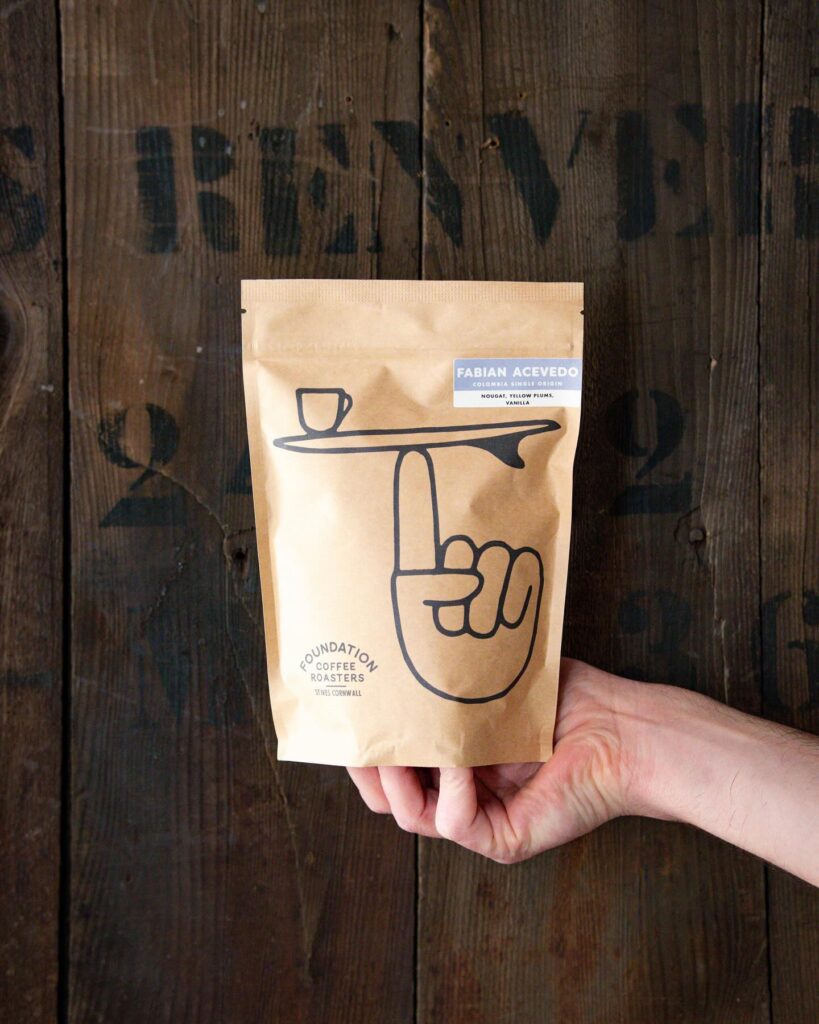
Natural & white kraft
The core short-run option. A foil lining protects freshness and extends shelf life — the strongest performer for whole beans or ground coffee with a longer shelf life. The trade-off: the foil laminate means these bags are not recyclable.
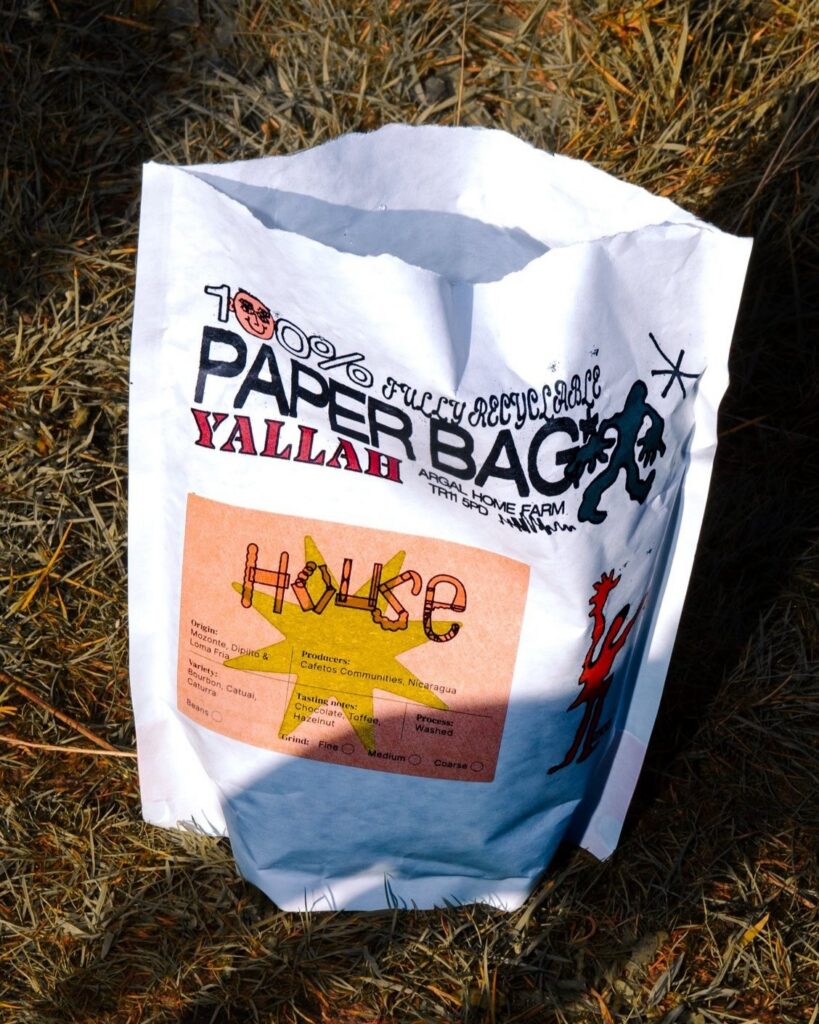
Paper Stream · recyclable
Kerbside recyclable paper
Primarily kraft paper with a barrier coating, these barrier paper bags go in standard kerbside paper recycling. They come with a flat sticker valve that peels off before recycling. Barrier is lower than foil, so they suit shorter shelf lives and fast local turnover.

Compostable · kraft
Compostable kraft
Made from bio-based materials, our compostable bags are home and industrial compostable. Barrier is lower than foil, so they work best direct-to-consumer with short shelf lives — and they tell your sustainability story clearly on the shelf.
| Bag | End of life | Barrier | Valve | Best for |
|---|---|---|---|---|
| Natural / white kraft | Not recyclable (foil laminate) | Highest of the three | Standard one-way valve | Longer shelf life, wholesale, cafés & retail |
| Paper Stream recyclable | Kerbside paper recycling | Lower than foil | Flat sticker valve — peel off before recycling | Fast local turnover, eco-minded customers |
| Compostable kraft | Home & industrial compostable | Lower than foil | Selected to suit composting — confirm spec with us | Direct-to-consumer, short shelf life |
Buyers increasingly expect sustainable packaging, and the recyclable and compostable options let you meet that without giving up small-batch printing — sustainability and a low MOQ aren’t a trade-off here.
// Freshness & Barrier
What each bag actually protects
Freshly roasted coffee releases significant amounts of carbon dioxide for days after roasting[4]. At the same time, oxygen is the main driver of staling, degrading volatile aromatics quickly if the bag’s barrier isn’t up to the job[5]. Barrier performance is what decides how long the coffee inside stays at its best.
- Foil-lined kraft — the aluminium layer gives high protection against oxygen and moisture. The most reliable choice when coffee needs to stay fresh for weeks or months, or travels through a distribution chain before it reaches the customer.
- Paper Stream recyclable — the barrier coating protects better than plain kraft but less than foil. Best matched to coffee with a shorter intended shelf life, or roasters whose bags sell through quickly.
- Compostable kraft — also lower than foil. Well suited to direct-to-consumer sales with short shelf lives, where the bag’s end of life is part of the brand story.
Match the bag to the journey the coffee will make. A bag that’s perfect for a high-turnover local roastery may not suit a brand supplying cafés or retail shelves with longer gaps between roasting and drinking.
// Degassing Valves
Degassing valves: essential for fresh coffee
Without a valve, a roaster faces an unenviable choice: seal the bag straight after roasting and risk it swelling or bursting as CO₂ builds up, or let the beans degas in open air first — trading freshness for a stable bag[6]. A one-way degassing valve removes the dilemma. It opens at a set pressure to let CO₂ escape, then closes to keep oxygen and moisture out[7]. Research tracking post-roast degassing shows coffee keeps releasing CO₂ well beyond the day it’s roasted[8] — which is exactly the window a valve covers.
Valve type varies by bag:
- Foil-lined kraft: a standard one-way degassing valve for fresh whole beans and ground coffee.
- Paper Stream recyclable: a flat sticker valve designed to peel off before recycling, so a non-paper component doesn’t contaminate the paper stream.
- Compostable kraft: valves are selected to suit the bag’s composting route — confirm the specification with our team when you order.
Our guide to why coffee bags have valves goes deeper into how they work.
If you’re packing freshly roasted coffee, choose a bag with a valve. The difference shows up in the cup — and it isn’t a corner worth cutting at any run length.
// The Bottom Line
Order what you need — with bags that protect the coffee
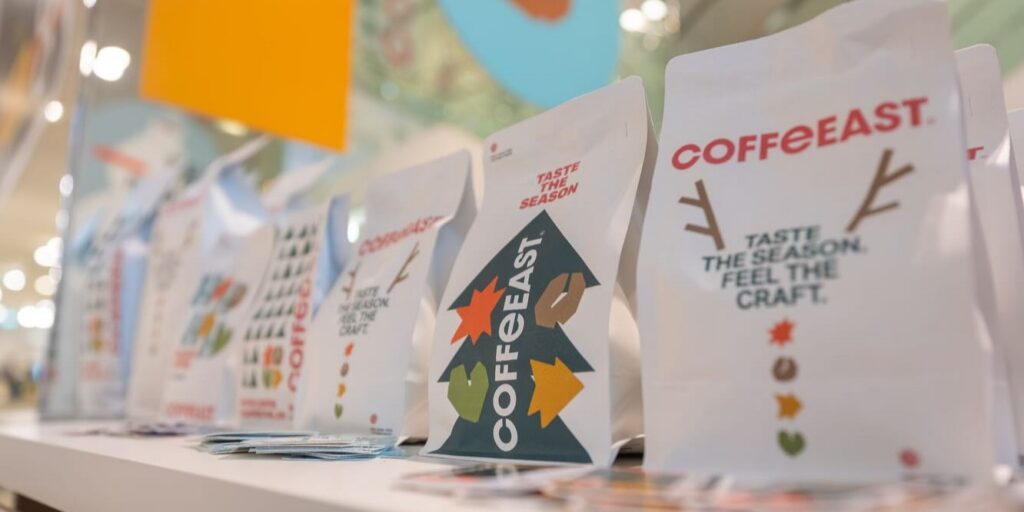
You shouldn’t have to choose between professional packaging and financial sanity. Short-run printing makes low MOQs practical — not as a compromise, but as a strategic advantage.
Order what you need. Launch new products without betting the farm. Keep your branding current. And do it with bags that actually protect the coffee you’ve worked so hard to roast. When your volumes grow, digital printing from 2,000 units is the next rung.
// FAQ
Frequently asked questions
What is the minimum order for short-run printed coffee bags?
500 units. There are no plates, cylinders or tooling to pay for, so short runs make sense at quantities factory printing can’t touch — and you can print more than one artwork in the same order.
How long does short-run printing take?
Typically within about a week, confirmed with your quote. The bags are printed in-house at our UK warehouse, so there’s no factory run and no overseas freight.
Which bags can be short-run printed?
Kraft-faced bags from our stock range: natural and white kraft (foil-lined), Paper Stream kerbside-recyclable paper, and compostable kraft. The print goes on the front and back panels; gussets stay plain.
Can I see a proof before the full run?
Yes. Every order includes a free digital proof — nothing prints until you approve it. If you want to see exactly how your colours sit on kraft, a printed proof is available on request at an extra cost.
Will my brand colours print exactly as on screen?
Not exactly. Kraft absorbs ink, so colours can shift slightly and full-colour backgrounds aren’t possible. Logos, type and simple graphics print best. If you need exact colour matching or edge-to-edge artwork, digital printing from 2,000 units is the better fit.
Do short-run printed bags still have a degassing valve?
Yes — choose a stock bag fitted with a one-way valve and the printing doesn’t affect it. Paper Stream bags use a flat sticker valve that peels off before recycling.
// References
- Credence Research. Specialty Coffee Market Size, Growth, Share and Forecast 2032. credenceresearch.com
- Arrow Systems (2026). Specialty Coffee Packaging Trends Roasters Are Printing in 2026. arrsys.com
- Perfect Daily Grind (2025). How roasters can use packaging to sell coffee for more. perfectdailygrind.com
- Tightvac (2023). A Guide to Coffee Degassing and Freshness Preservation. tightvac.com
- Anacotte Packaging (2026). Mastering Coffee Bean Packaging: Where Science Meets Storytelling. anacottepackaging.com
- My Coffee Explorer (2026). Coffee Packaging Decoded: How Bags Keep Your Beans Fresh. mycoffeeexplorer.com
- Rovema North America (2025). 3 Reasons Degassing Valves Are Important to Coffee Packaging. rovema-na.com
- Smrke, S., Wellinger, M., Suzuki, T., Balsiger, F., Opitz, S. E. W. & Yeretzian, C. (2018). Time-Resolved Gravimetric Method To Assess Degassing of Roasted Coffee. Journal of Agricultural and Food Chemistry, 66(21). doi.org/10.1021/acs.jafc.7b03310
Ready to see what’s possible for your roastery?
Launching a roastery, testing a seasonal blend or moving an existing product into a more sustainable bag — short-run printing starts at 500 units, typically within about a week, with several artworks per order and a free digital proof before anything prints (printed proofs on request). Our in-house designer checks every file.
Get a short-run quote How short run works Request free samples