 UK
UK EU
EU AU
AU UAE
UAE


Blog
UK Coffee Bag Sizes: A Complete Guide
// Guide · Packaging Sizes
Coffee bag sizes work differently from most packaging, which is why what size coffee bag you need isn’t always obvious. Get it wrong and you end up with bags that strain at the seams or look half empty on the shelf.
This guide covers the standard coffee bag sizes used in the UK, how they are measured, and which bag formats are available in each size.
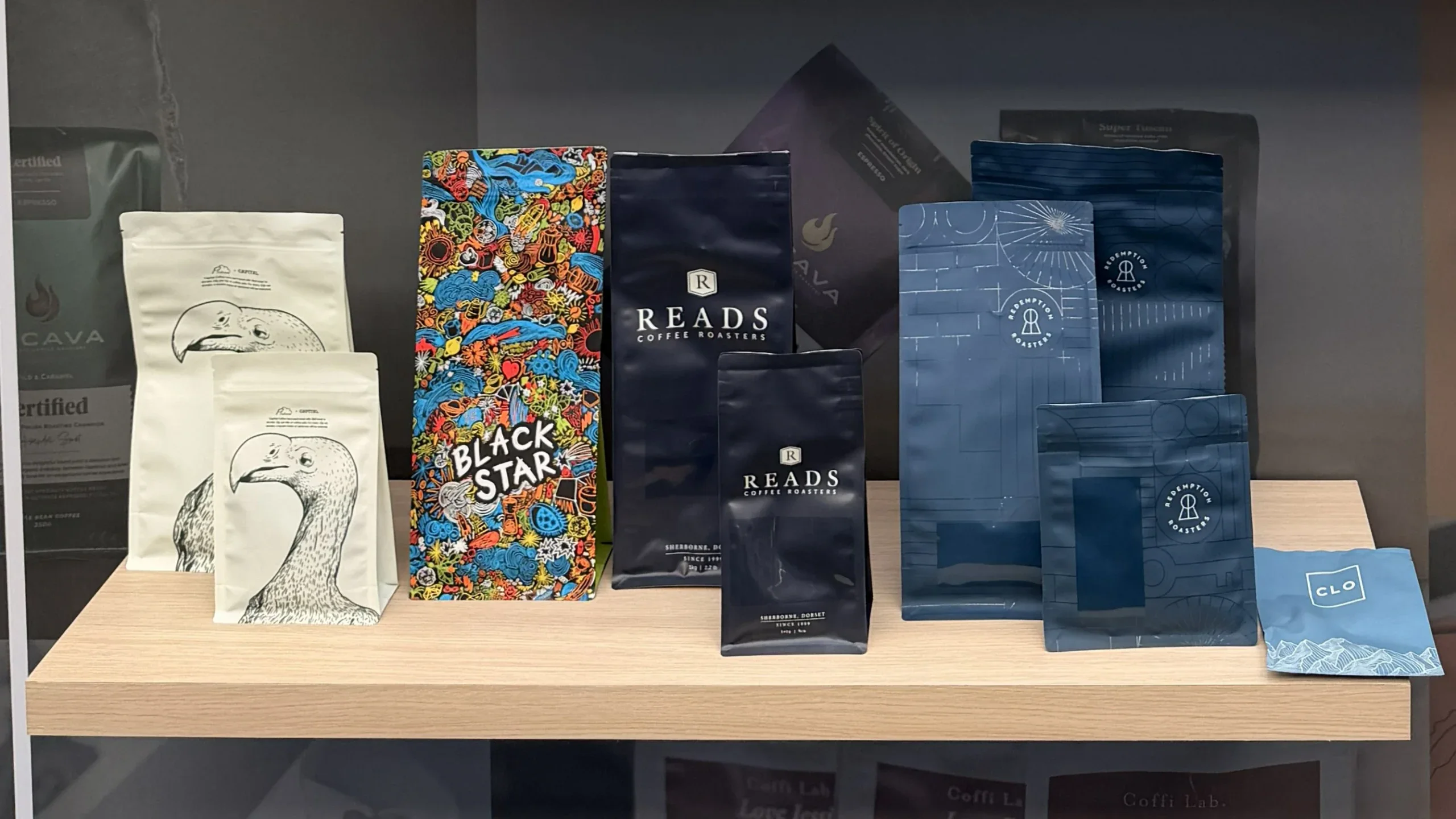
// How Bags Are Sized
Coffee bags are sized by weight, not volume
Coffee bag sizes are named after the weight of coffee they hold, not their physical dimensions or capacity in litres. A 250g coffee bag is built to hold 250g of coffee, and the bag itself can vary in height, width and shape depending on its format.
That matters because coffee does not pack the same way in every form:
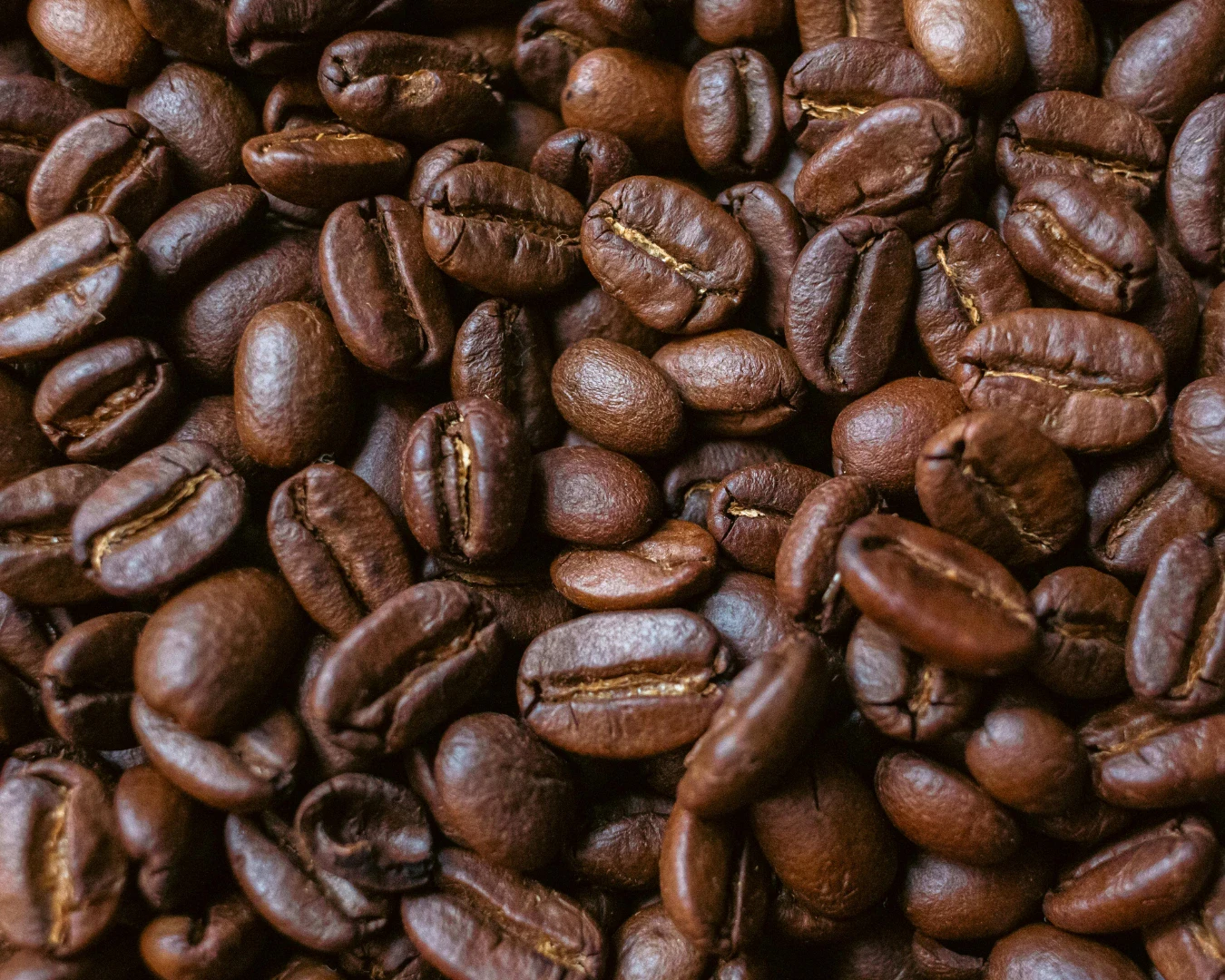
Whole beans take up more room
Beans are irregular in shape and leave air gaps between them, so they fill more of the bag.
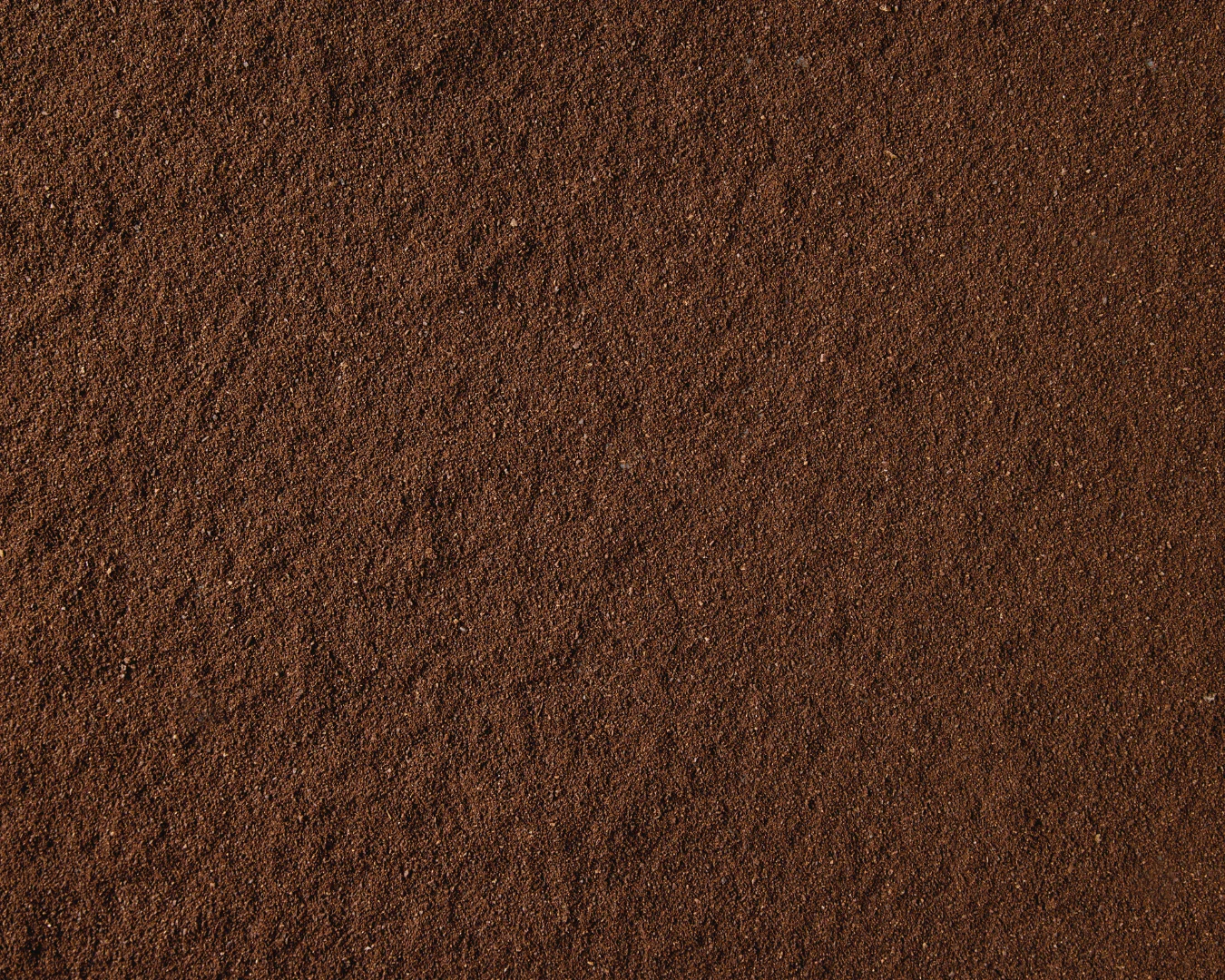
Ground coffee packs down tighter
Ground coffee settles into the gaps, so the same weight takes up less space.
In practice, the same bag holds less whole bean coffee than ground coffee. If you sell both, don’t assume one bag size will suit both products.
A bag that comfortably holds 250g of ground coffee may be tight for 250g of whole beans. Always check the fill weight against the coffee you’re packing, ideally by testing it with your own product before ordering in volume.
// Standard Sizes
Standard UK coffee bag sizes
These five coffee bag sizes cover almost every UK coffee brand, from sample packs to wholesale supply. The 250g coffee bag is the most popular retail size. Whatever size you choose, the quantity must be shown on the label, so it’s worth reading the UK government’s guidance on packaged goods weights and measures.
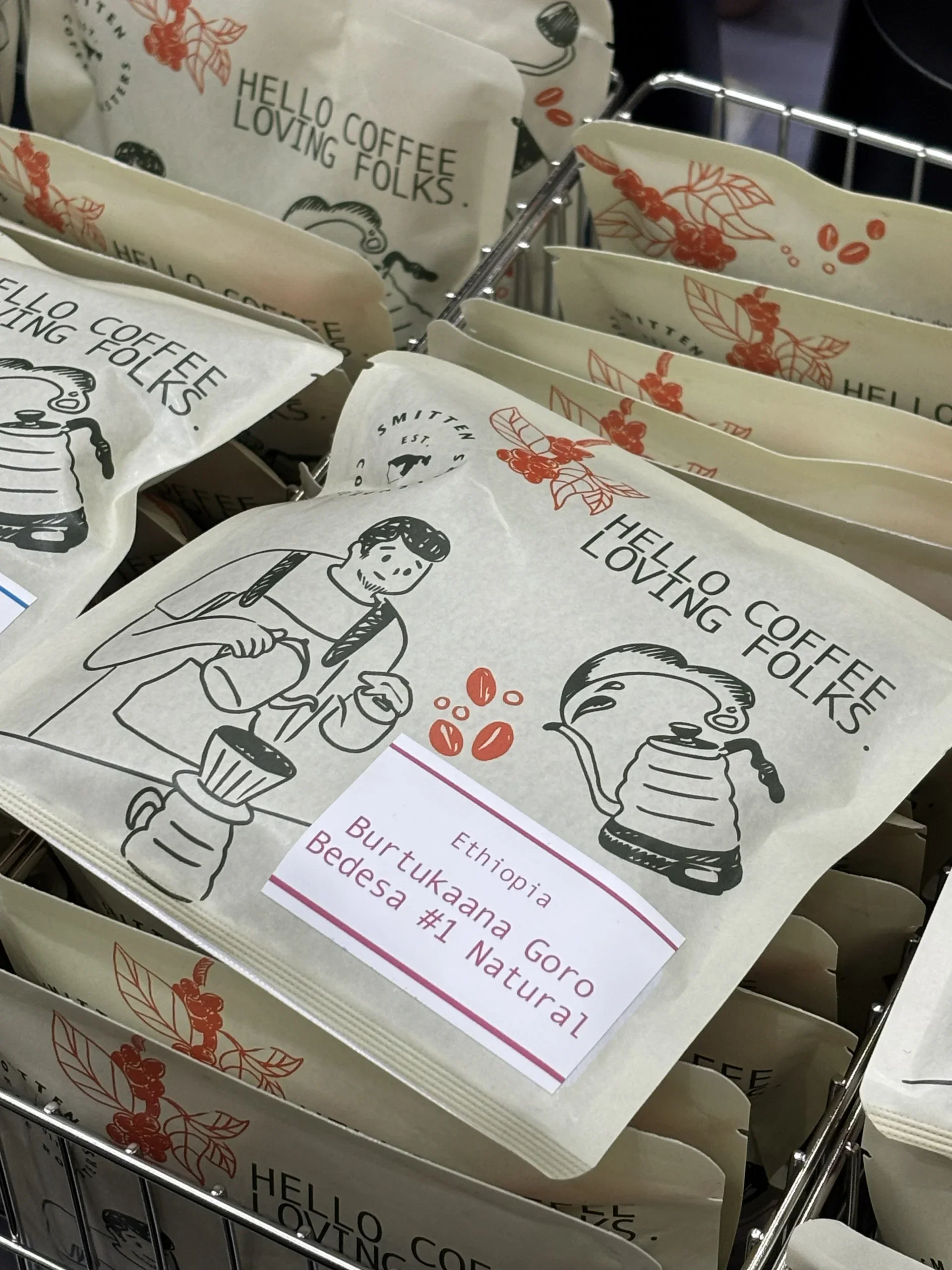
Samples
70g to 100g
Used for samples, trial packs, gift sets and subscription box extras. They let customers try a new roast at low cost, and work well as order inserts or event giveaways.
Most popular UK retail size
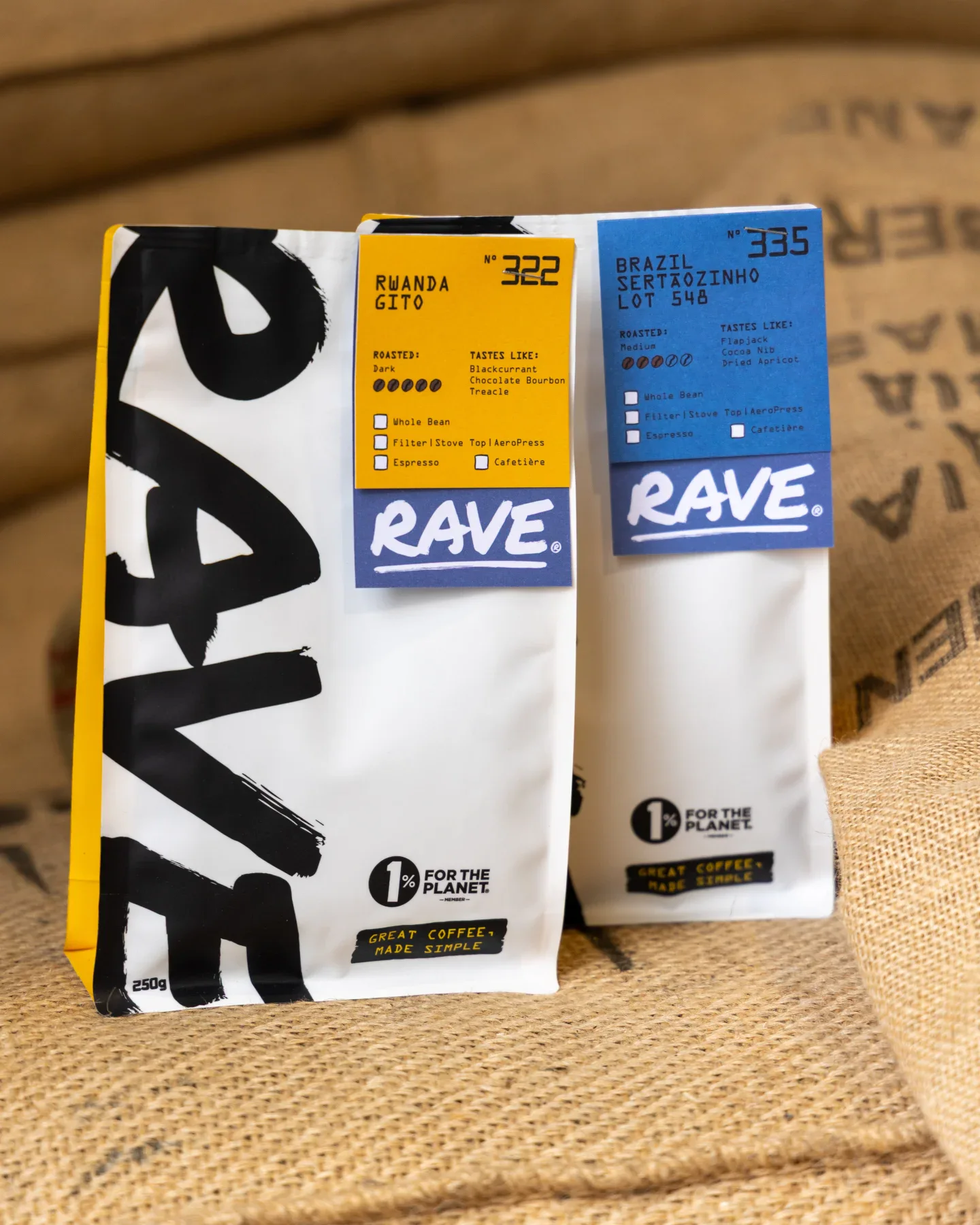
250g
The 250g coffee bag is affordable enough for customers to try a new coffee and large enough to last a household a good while. It suits roasters offering a range of single origins and blends.
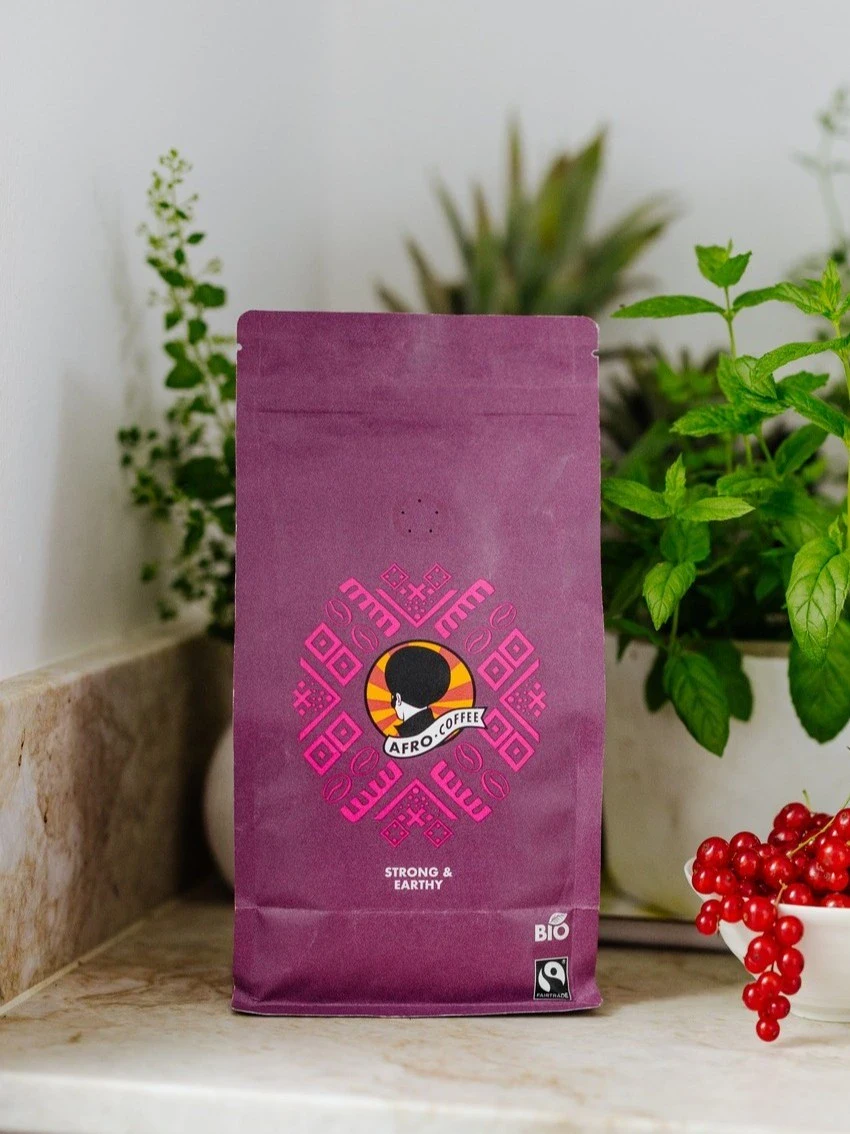
Mid-size
500g
Suits regular drinkers, couples and small households who want better value per gram. Many roasters offer it alongside 250g as a step up for loyal customers.
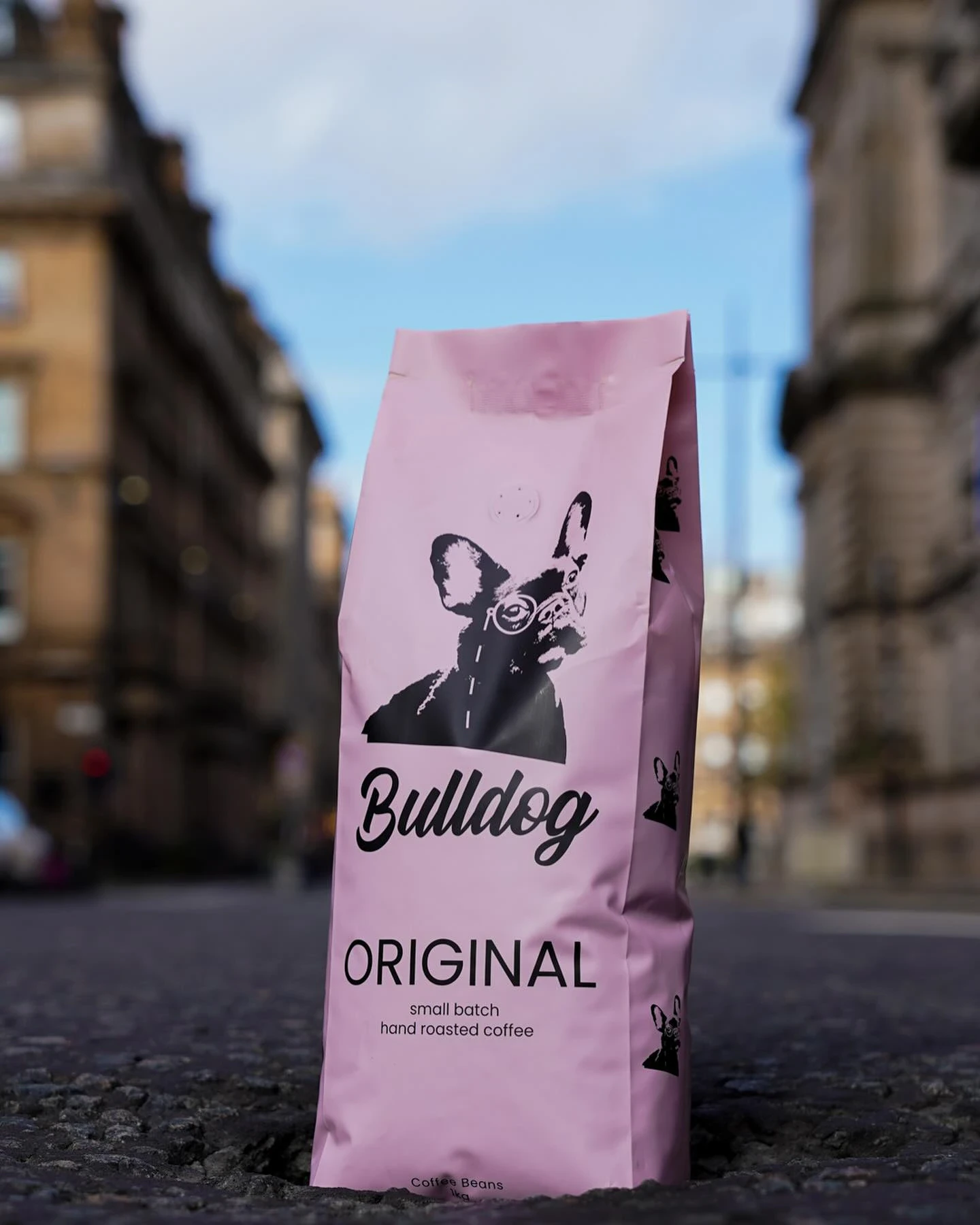
Value & small trade
1kg
Serves heavy home users, offices, cafés and small hospitality businesses. Also a common choice for roasters supplying local trade customers.
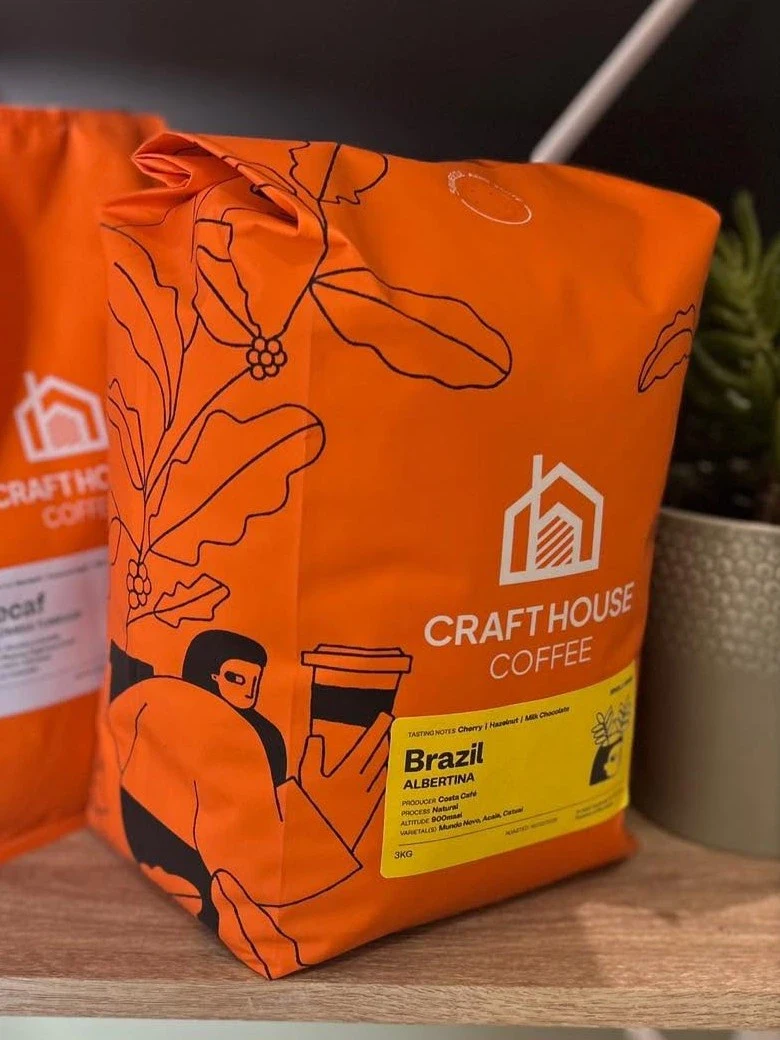
Wholesale
5kg and 10kg
Used for wholesale and bulk supply to cafés, restaurants, caterers and larger offices. At this scale, durability and seal strength matter as much as presentation.
Don’t forget
Whole bean or ground?
Every size above is a weight of coffee. Whole beans take more room than ground, so test your fill weight before you order.
// Bag Formats
Which bag format comes in which size?
Not every bag format is available in every one of the standard coffee bag sizes, so the format you choose will narrow down your options.
| Bag format | Available sizes | Good to know |
|---|---|---|
| Stand up pouch | 28g – 1kg | Widest range at the small end. Stands upright on the shelf with plenty of print area. |
| Box bottom bag | 100g – 1kg | Flat base and square sides give a premium shelf look and branding space on every face. |
| Side gusset bag | 250g – 10kg | The traditional coffee bag shape and the go-to format for 5kg and 10kg wholesale packs. |
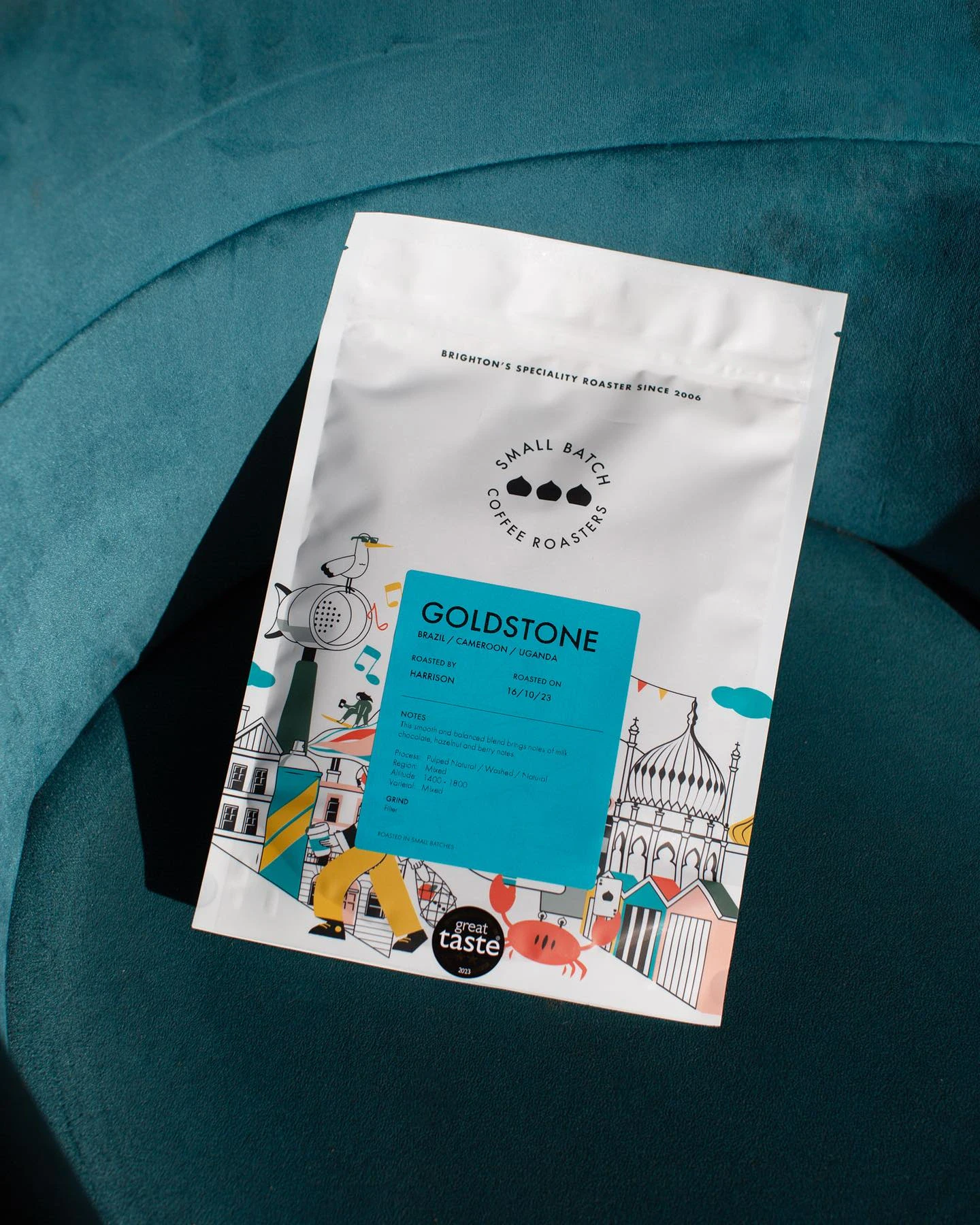
Stand up pouch
From 28g samples through to 1kg retail bags.
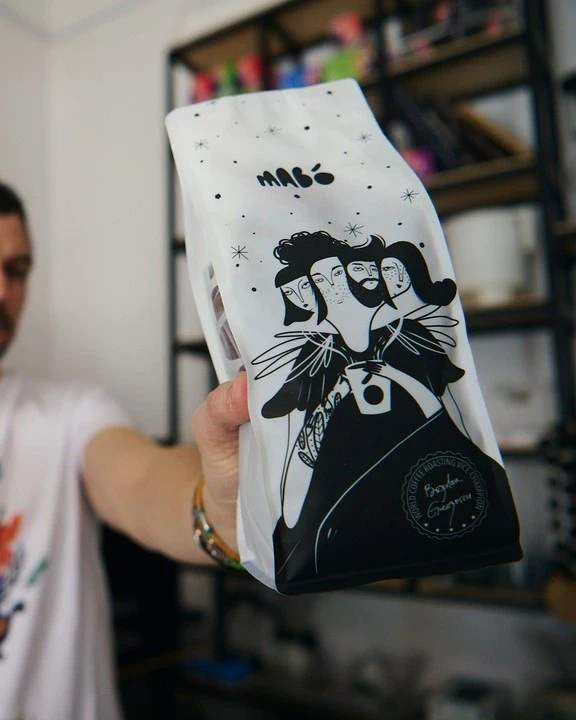
Box bottom bag
A structured, premium look from 100g to 1kg.
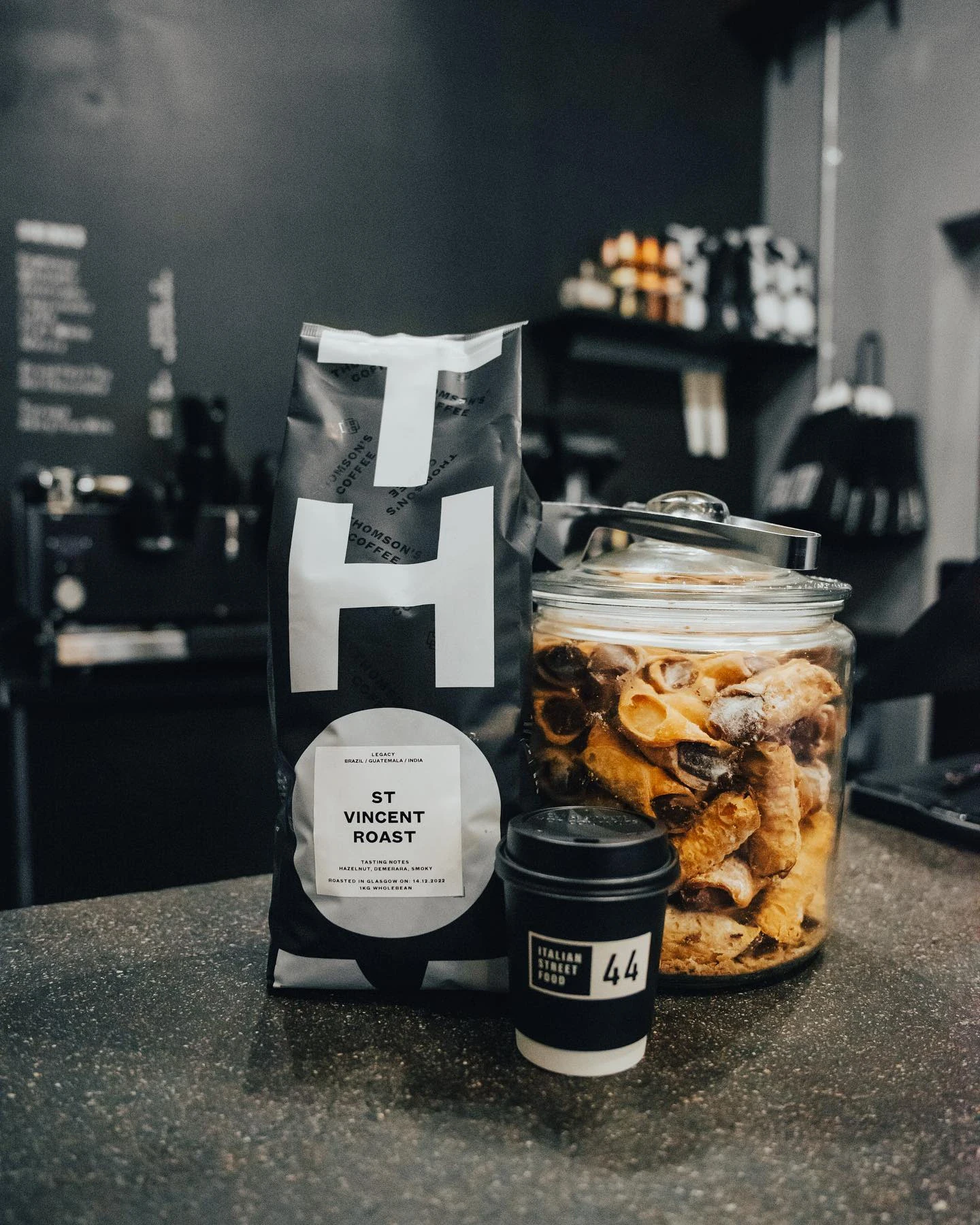
Side gusset bag
The only one of the three that goes up to 10kg.
// Choosing A Size
How to choose the right coffee bag size
Four questions will narrow down your coffee bag sizes quickly:
- Who is the customer? Retail customers usually buy 250g or 500g. Trade customers need 1kg and above.
- Whole bean, ground, or both? Whole beans take up more space, so test your fill weight.
- How should it look on shelf? This guides your choice of format: stand up pouch, box bottom or side gusset.
- How will you sell it? Subscriptions, gift sets and online orders may call for smaller sample sizes alongside your core range.
Always check fill weight against the coffee you’re actually packing. It takes minutes and avoids an expensive reorder.
// The Bottom Line
Coffee bag sizes at a glance
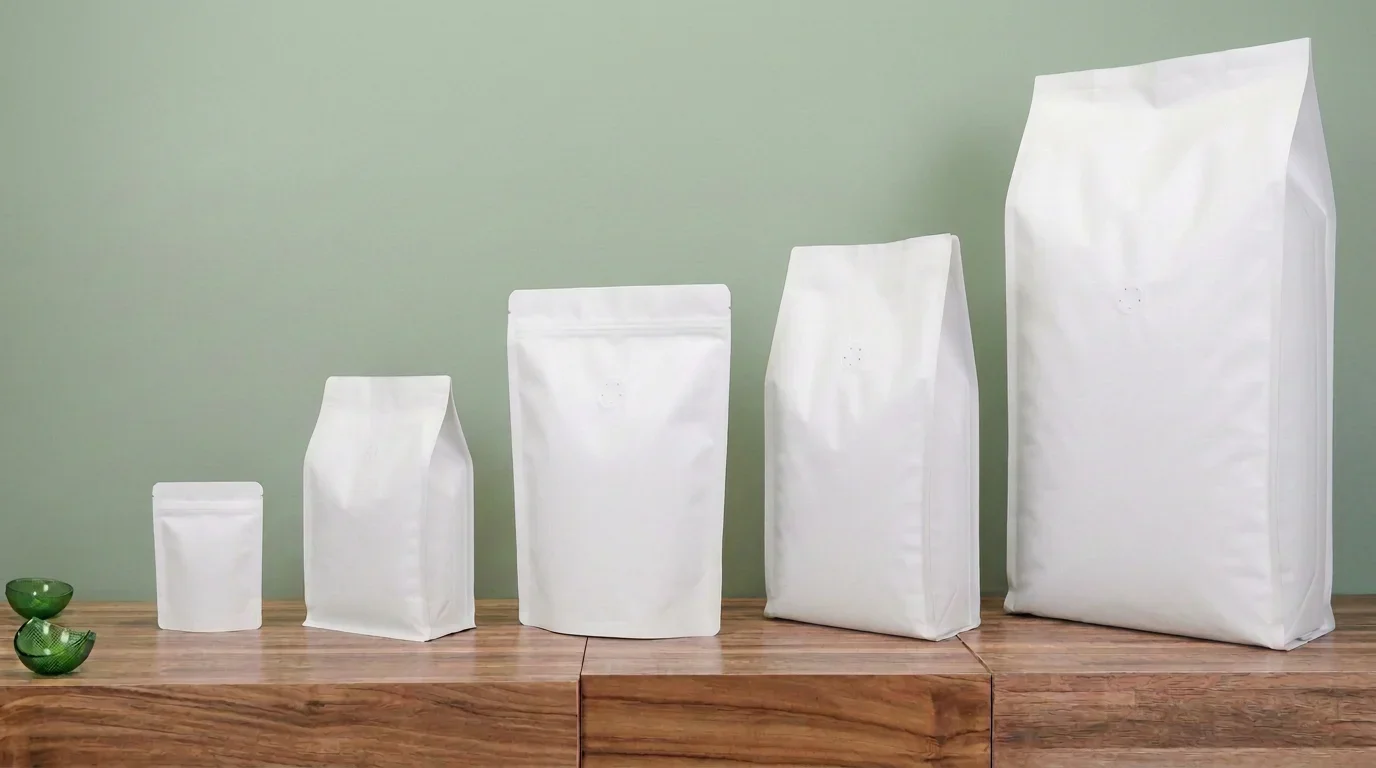
Coffee bag sizes are based on coffee weight, not bag volume. Whole beans take more room than ground coffee, so the same bag holds less whole bean. And the format you pick (stand up pouch, box bottom or side gusset) determines which sizes are available.
// FAQ
Frequently asked questions
What size coffee bag do I need?
For retail, most UK brands choose a 250g coffee bag, often with 500g and 1kg options alongside it. For wholesale, 5kg or 10kg bags are the norm.
What is the most popular coffee bag size in the UK?
250g is the most popular UK retail size.
Are coffee bags sized by weight or volume?
By weight. A 250g bag is designed to hold 250g of coffee, whatever its physical dimensions.
Why does a bag hold less whole bean than ground coffee?
Whole beans leave air gaps between them and take up more space, while ground coffee packs down more tightly.
What is the smallest coffee bag size?
Stand up pouches start at 28g. Sample bags in the 70g to 100g range are also common.
Which format should I use for 5kg or 10kg?
Side gusset bags, which run from 250g up to 10kg.
Not sure which size is right for your coffee?
Tell us what you’re packing and how you sell it, and our team will help you choose between coffee bag sizes and formats.
Get a quote Browse coffee bags Request free samples